Vintage Tractor Restoration

There’s something deeply satisfying about a vintage tractor running the way it did fifty years ago. Or a classic piece of farm equipment—a hay baler, a grain elevator, an old pull-behind plow—restored to working condition rather than left to rust in a fence row. For a lot of people, this isn’t just about nostalgia. It’s about preserving equipment that was built to last, honoring the craftsmanship of an earlier era, and in many cases, putting something genuinely useful back into service.

But restoration is not a simple process. Old iron comes with old problems: corrosion that runs deeper than it looks, parts that haven’t been manufactured in decades, metal fatigue that isn’t visible to the naked eye, and surface damage that tells the story of every hard season the machine endured. Bringing that equipment back properly requires more than a wire brush and a coat of paint. It requires a fabrication shop with the right combination of skills, equipment, and patience to work through the challenges that vintage restoration almost always presents.

At Double R Manufacturing and Double R Machining, restoration work draws on nearly every service we offer—often within a single project. Here’s a look at what that actually involves.


The Assessment: Starting With What You Have

Every restoration begins the same way: understanding the true condition of the piece. Surface rust is one thing. But decades-old farm equipment has often experienced stress fractures in welds, thinning metal from corrosion-from-the-inside-out, bent or twisted structural members, and fasteners that are essentially fused in place.

Before any work begins, it’s worth doing a thorough mechanical and structural assessment. What’s solid? What’s compromised? What’s missing entirely? The answers to those questions shape everything that follows—the order of operations, which services are needed, and whether certain components need to be fabricated from scratch because they simply can’t be sourced anywhere else.

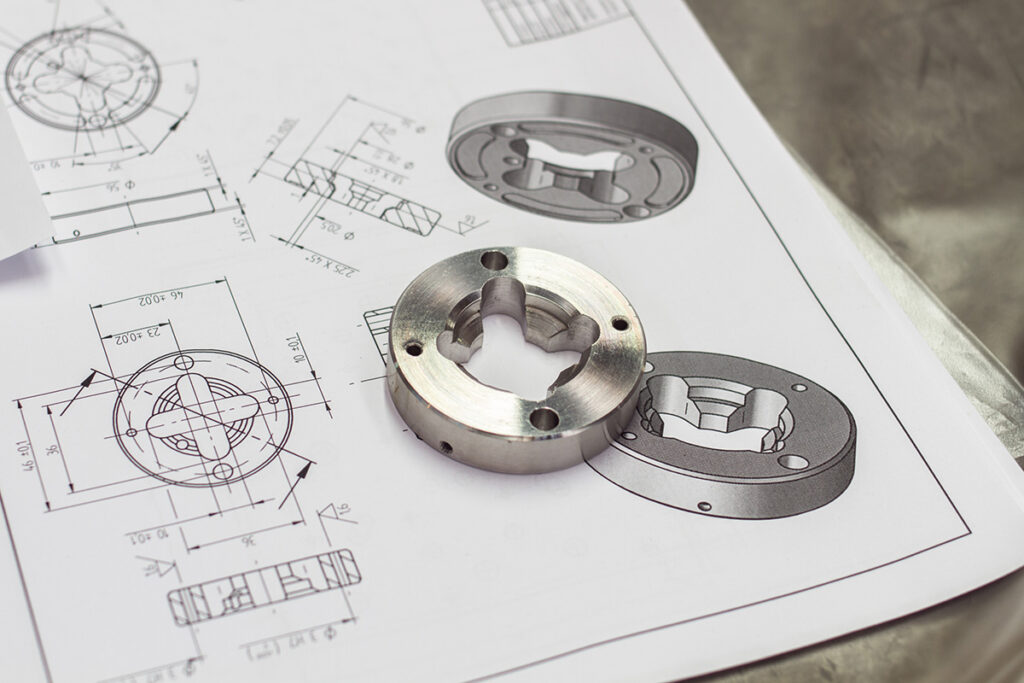
That last point comes up more than people expect. Parts for equipment manufactured in the 1940s, 1950s, and 1960s often don’t exist in the aftermarket anymore. Reproduction parts for common vintage tractors are available, but anything more specialized—a custom bracket, a wear plate, a specialized linkage component—may need to be fabricated to original specifications or reverse-engineered from what’s left of the worn-out original. This is where CNC machining and custom fabrication become central to the restoration process, not just finishing touches.


Sandblasting: Getting Down to the Truth

Before any welding, fabrication, or finishing can happen, the metal needs to be clean—genuinely clean, not just surface-clean. This is where sandblasting earns its place as one of the most important steps in any serious restoration.

Decades of paint, rust, grease, and surface oxidation can hide the actual condition of the metal underneath. Sandblasting strips all of it away, revealing hairline cracks, pitted surfaces, thinned sections, and areas where rust has eaten further than expected. On vintage equipment, this step regularly changes the scope of the project—in ways that ultimately save money and produce a better result.

Sandblasting also creates the surface profile that makes subsequent finishing work last. Paint, primer, and powder coating all bond more effectively to a properly blasted surface than to metal that’s been sanded or chemically stripped. For a restoration that’s meant to last another fifty years rather than just look good for a season, that bond quality matters enormously.

Different media are used for different situations. Aggressive abrasives remove heavy rust and scale quickly. Finer media are used for thinner metal or surfaces where maintaining dimensional accuracy is important. The right choice depends on the material, its condition, and what comes next in the process.


Welding: The Heart of Structural Restoration

For vintage equipment with any structural damage, welding is where the real restoration work happens. Cracked frames, broken mounting tabs, worn attachment points, split seams on implements—these are the kinds of repairs that determine whether a piece of equipment is genuinely restored or just cosmetically refreshed.

Quality welding on restoration projects requires more than technical skill. It requires understanding how the original piece was constructed, what stresses it was designed to handle, and how decades of use may have changed the properties of the surrounding metal. Welding into old, potentially brittle, or work-hardened metal demands careful preparation and the right process selection. A weld that looks good but doesn’t account for the condition of the base metal can fail under load—often at the worst possible moment.

For structural repairs on frames and load-bearing components, the goal is always a repair that’s as strong as or stronger than the original construction. For cosmetic or non-structural repairs—restoring sheet metal, replacing worn panels, fabricating missing trim or guards—the goal shifts toward matching original appearance while maintaining durability.

Custom fabrication steps in when original parts can’t be welded back together or sourced elsewhere. A mounting bracket that’s cracked beyond repair gets reverse-engineered and fabricated new. A worn wear plate gets replaced with a fresh piece cut to the original profile. A missing implement hitch gets built to spec. These aren’t workarounds—they’re how a proper restoration handles the realities of working with old equipment.


CNC Machining: Precision Where It Counts

Not every restoration need involves structural steel. Vintage tractors and farm equipment have shafts, bushings, gears, pins, and precision-fit components that may be worn, damaged, or completely unavailable as replacement parts.

This is where CNC machining fills a critical gap. When a worn shaft needs to be turned to original dimensions, when a bushing needs to be machined to fit a specific bore, or when a simple but unobtainable part needs to be replicated from a drawing or a physical sample, precision machining makes it possible. The alternative—hunting for a reproduction part that may or may not exist, or running worn components that introduce slop and accelerate further wear—rarely produces a better outcome.

For collectors and restorers working on equipment that still needs to function rather than just display, machined components often make the difference between a tractor that runs right and one that runs well enough.


Powder Coating: A Finish Built to Last

Once the structural work is done and the surfaces are prepared, the finishing stage determines how the restoration holds up over time. For vintage farm equipment that’s going back into service, or even for display pieces that will be exposed to the elements, powder coating is the most durable finish available.

Unlike liquid paint, powder coating is applied electrostatically and cured under heat, producing a finish that bonds at a molecular level with the metal surface. It’s significantly more resistant to chipping, scratching, UV fading, and moisture than conventional paint—and when applied over a properly sandblasted surface, it can realistically last decades without significant deterioration.

For restoration work, powder coating also offers something liquid paint traditionally struggles with: consistency. Color matching to original equipment colors is achievable, and the finish quality is uniform across complex shapes and hard-to-reach surfaces in ways that brush or spray application can’t always replicate.

For pieces where absolute originality is the goal—concours-level restorations for show or competition—some restorers prefer period-correct liquid paint finishes. That’s a legitimate choice. But for equipment that’s going back to work, powder coating’s durability advantage is hard to argue with.


The One-Stop Advantage in Restoration Work

What makes complex restoration projects challenging isn’t usually any single service—it’s the coordination between them. Sandblasting before welding. Welding before machining. Machining before final assembly. Powder coating last. When those steps happen in different places, with different shops, communication gaps, scheduling conflicts, and inconsistent standards add up quickly.

Handling the full sequence under one roof changes that dynamic. Assessment, sandblasting, welding, fabrication, machining, and powder coating as a coordinated workflow means each step is done with knowledge of what comes before and after. It also means that when the assessment reveals something unexpected—and in vintage restoration, it almost always does—the response can be immediate rather than involving multiple vendors and rescheduling chains.


Old Iron Deserves the Right Shop

Vintage and classic equipment restoration is patient, skilled work. The machines themselves were often built by craftsmen who took pride in their work, and bringing them back properly honors that original craftsmanship. It also, in many cases, produces a result that’s more durable and more capable than anything available as a modern replacement.

If you have a vintage tractor, a piece of classic farm equipment, or old iron of any kind that deserves better than the fence row it’s been sitting in, Double R Manufacturing is ready to put it back where it belongs.

When a piece of equipment breaks down or a new build requires a specific component, the first instinct is often to search for a replacement part. And why not? Off-the-shelf parts are fast, familiar, and seemingly straightforward. But “fast” and “right” aren’t always the same thing—and in manufacturing, the difference can cost far more than anyone anticipated.

The choice between a custom-fabricated part and a standard off-the-shelf component is one of the most consequential decisions in any build or repair project. At Double R Manufacturing and Double R Machining, we work through this question with customers every day. There’s no universal answer, but there is a framework for thinking it through clearly.


What “Off-the-Shelf” Really Means

Off-the-shelf parts are designed to fit a broad range of applications. That’s their strength—and their limitation. Manufacturers produce them in high volumes to standard specifications, which keeps costs down and availability high. For common, uncritical applications, they’re an excellent choice.

But standard parts are engineered for a statistical average, not your specific situation. The bolt pattern that almost fits. The bracket that needs to be shimmed, bent, or welded to work. The component that functions adequately for six months before wearing out because it wasn’t designed for the actual load, environment, or duty cycle of your application.

That “almost” is where project costs quietly accumulate.


What Custom Fabrication Actually Involves

Custom fabrication means a part is designed and manufactured specifically for your application—your dimensions, your materials, your tolerances, your environment. At Double R, this can mean anything from a single CNC-machined component with tight tolerances to a complex welded assembly combining multiple processes: cutting, forming, machining, sandblasting, and powder coating all under one roof.

Custom doesn’t automatically mean expensive or slow. For many projects, the true cost comparison looks very different once you factor in installation time, modifications, rework, and lifespan.


When Off-the-Shelf Is the Right Call

There are situations where standard parts are genuinely the best option, and a good fabricator will tell you so.

When the part is truly standard. If you’re replacing a common fastener, a stock cylinder, or a widely used bearing, an off-the-shelf part is almost always the right choice. These components exist because the application is universal enough to justify mass production.

When speed is the overriding priority. If a piece of equipment is down and production is halted, getting a standard part in 24 hours may be worth more than a custom part in two weeks—even if the custom part would ultimately perform better. The right answer depends on your operational reality.

When the volume is low and the stakes are modest. For one-off repairs on non-critical equipment, the economics of custom fabrication may not pencil out, especially if an off-the-shelf part will get the job done well enough.

When standards compliance matters. Certain industries and applications require parts that meet published standards—UL listings, ASTM specifications, structural ratings. In those cases, certified off-the-shelf components may simplify compliance in ways that custom fabrication cannot.


When Custom Fabrication Is the Smarter Investment

When the part doesn’t exist. This sounds obvious, but it comes up constantly. Legacy equipment, specialized machinery, one-of-a-kind installations—these often require components that simply can’t be sourced from a catalog. Custom fabrication isn’t a premium option here; it’s the only option.

When fit matters for performance. A gate hinge engineered to the exact weight and swing arc of a specific gate performs fundamentally differently than one selected from a hardware catalog. A bracket fabricated to match the exact load path in a structural application doesn’t introduce stress concentrations the way a “close enough” standard part might. Fit isn’t just about aesthetics—it’s about how a component behaves under real-world conditions.

When environment is a factor. Standard parts are often made to survive standard environments. If your application involves harsh chemicals, extreme temperatures, high moisture, or abrasive conditions, a custom part fabricated from the right material—and finished with an appropriate surface treatment—can outlast a standard part by years. That’s not an exaggeration. We’ve seen it repeatedly.

When the total cost of ownership changes the math. A custom part might cost more upfront than its off-the-shelf equivalent. But if it lasts three times as long, requires half the installation labor because it actually fits, and doesn’t cause secondary damage by wearing unevenly against adjacent components, the economics shift significantly. The purchase price is only part of the story.

When you’re building something new. Standard parts were designed for standard applications. If you’re designing a new piece of equipment, a custom structure, or a specialized installation, forcing it to conform to available stock components means making engineering compromises from the start. Custom fabrication lets the design lead—and usually produces a better result.


The Hybrid Reality

In practice, most projects don’t live entirely in one category. A complex fabrication might use custom structural members combined with standard hardware and fittings. A piece of agricultural equipment might need a custom chassis with off-the-shelf hydraulic components. The goal isn’t to favor one approach over the other—it’s to apply each where it makes sense.

That kind of integrated thinking is where working with a full-service fabrication shop pays off. When welding, machining, cutting, and finishing all happen under one roof, it’s easier to identify where a standard part makes sense and where a custom solution is worth the investment—without switching vendors or losing information in translation.


Questions to Ask Before You Decide

If you’re not sure which direction makes sense for your project, these questions can help clarify the picture:

  • Does a standard part with the right specifications actually exist, or am I compromising on fit, material, or performance?
  • What is the true cost if this part fails early, wears out faster, or requires modification to install?
  • How critical is this component? Does failure create a safety risk, a production stoppage, or just an inconvenience?
  • What environment will this part operate in, and is a standard part designed for that environment?
  • Is this a one-time repair or part of a larger system that would benefit from consistent, purpose-built components?

The Bottom Line

Off-the-shelf parts have a place, and custom fabrication has a place. The mistake isn’t choosing one over the other—it’s choosing without fully understanding what you’re optimizing for.

At Double R Manufacturing and Double R Machining, we’re not in the business of pushing customers toward custom work they don’t need. We’re in the business of helping you get the right component for your application—whatever that turns out to be. Sometimes that’s a phone call that ends with “actually, a standard part will work fine.” More often, it’s a conversation that uncovers something that off-the-shelf couldn’t have solved.

When you’re ready to work through the question, we’re ready to help.

When budgeting for a custom fabrication project, the temptation to save money on materials can be strong. After all, metal is metal, right? At Double R Manufacturing, we’ve seen firsthand how this assumption can lead to costly mistakes, project failures, and safety concerns that far outweigh any initial savings. Understanding the true cost of cheap materials reveals why quality should never be compromised in custom fabrication projects.

The Hidden Price of Rework and Repairs

The most immediate consequence of using substandard materials often appears during or shortly after fabrication. Inferior metals may contain inconsistencies, impurities, or structural defects that aren’t apparent until cutting, welding, or forming begins. When these issues surface, the entire project can grind to a halt.

Consider a custom gate fabrication project using bargain-priced steel. Midway through welding, the material begins cracking around heat-affected zones—a clear sign of poor material composition or improper heat treatment. Now the fabricator faces a difficult choice: continue with compromised welds that may fail, or start over with quality material. Either option costs significantly more than simply using proper materials from the beginning.

Rework represents pure waste. The labor invested in the failed attempt cannot be recovered. Material costs double as the substandard metal is scrapped and replaced. Project timelines extend, potentially causing cascading delays in other dependent projects or installations. What seemed like a cost savings of perhaps 15-20% on material costs can easily result in total project costs that exceed 150% of the original budget.

At Double R Manufacturing, we’ve been called in to rescue projects that started with cheap materials, and the pattern is consistent: the customer always wishes they had invested in quality from the start. The frustration, delays, and additional expense of rework make it a lesson learned the hard way.

Premature Failure and Shortened Lifespan

Even when inferior materials make it through the fabrication process without immediate problems, the real costs often emerge over time. Cheap materials typically lack the corrosion resistance, structural integrity, and durability that quality metals provide.

An agricultural feeder fabricated from low-grade steel might look identical to one made from quality material—at first. But after a season of exposure to weather, animal contact, and the corrosive effects of feed and waste, the differences become stark. The cheap steel shows significant rust, weakening structural points are beginning to fail, and the entire unit needs replacement far sooner than expected.

This shortened lifespan creates a recurring cost cycle that makes cheap materials the most expensive choice over time. A quality stainless steel feeder might cost 40% more initially but last three times longer than its bargain counterpart. Over a ten-year period, the cheap option requires multiple replacements, each involving not just material costs but also labor for removal, fabrication, and installation.

The same principle applies across all fabrication applications. Custom railings that rust and weaken within a few years, entry gates that require constant maintenance and repair, machinery components that wear out prematurely—all represent the false economy of choosing price over quality.

For commercial applications, premature failure carries additional costs beyond replacement. There’s the expense of emergency repairs, potential business interruption, damage to professional reputation, and the administrative burden of dealing with repeated failures. These hidden costs can dwarf the initial material savings many times over.

Safety Concerns: The Unacceptable Risk

Perhaps the most serious consequence of using substandard materials is the safety risk it creates. Metal fabrication often produces structural components, equipment, and systems where failure could result in injury or death. In these applications, material quality isn’t just about cost—it’s about responsibility.

Consider a custom-fabricated loading ramp for agricultural equipment. If constructed from materials that don’t meet proper strength specifications, the ramp might initially appear adequate. However, under repeated heavy loads or stress conditions, inferior materials can fail catastrophically. A collapsed ramp could result in equipment damage, serious injury to operators, and potential liability that could devastate a business.

Railings represent another critical safety application where material quality is non-negotiable. A decorative railing made from substandard materials might look beautiful when installed, but if it lacks the structural integrity to prevent falls, it becomes a liability rather than a safety feature. Building codes exist specifically to prevent such failures, but even when codes don’t strictly apply, the ethical obligation to provide safe, reliable products remains paramount.

At Double R Manufacturing, we consider safety our primary responsibility. This is why we never compromise on material quality, regardless of price pressure. We source materials from reputable suppliers, verify material certifications, and maintain complete traceability. When our name is on a project, we stand behind not just the workmanship but the integrity of every component.

Liability concerns amplify safety risks. A failure caused by substandard materials can expose businesses to lawsuits, insurance claims, regulatory penalties, and reputational damage that extends far beyond the project itself. The legal costs alone from a single material-related failure can exceed the total savings from using cheap materials across dozens of projects.

Quality Materials as Risk Management

Viewing material quality as risk management rather than just a cost consideration changes the entire decision-making framework. Quality materials from reputable suppliers come with documented certifications, verified properties, and consistent performance characteristics. This documentation provides assurance and accountability throughout the project lifecycle.

When projects require specific material properties—whether for strength, corrosion resistance, temperature tolerance, or other performance criteria—certified quality materials ensure these requirements are genuinely met. Cheap materials often lack proper documentation or testing, leaving critical performance characteristics uncertain.

For commercial and industrial applications, this documentation becomes essential for compliance, insurance, and liability purposes. Quality materials provide the paper trail that demonstrates due diligence and professional standards were maintained throughout the project.

The Double R Manufacturing Commitment

At Double R Manufacturing, our reputation has been built on refusing to compromise material quality. We understand that our customers trust us not just with their budgets but with their safety, their business operations, and their own reputations. This trust demands that we use only materials that meet appropriate specifications and quality standards.

We source materials from established suppliers with proven track records. We verify material certifications and maintain complete traceability from raw material through finished product. When we recommend materials for your project, those recommendations are based on ensuring optimal performance, longevity, and safety—not on maximizing our margins.

Our experience has taught us that customers who initially resist investing in quality materials invariably become our strongest advocates for doing things right. Once they’ve experienced the difference that quality materials make—in fabrication ease, finished appearance, long-term performance, and peace of mind—they understand the true cost calculation.

Making the Right Choice

When planning your next custom fabrication project, consider the complete cost picture. Initial material prices represent just one factor in a complex equation that includes fabrication efficiency, project timeline, expected lifespan, maintenance requirements, safety implications, and potential liability.

Quality materials cost more upfront because they deliver more value throughout their entire service life. They fabricate more predictably, perform more reliably, last significantly longer, and provide safety assurance that cheap alternatives simply cannot match.

At Double R Manufacturing, we’re committed to helping you make informed decisions about material selection. We’ll explain the differences between material grades, discuss the implications for your specific application, and provide honest recommendations based on your needs rather than our convenience.

Your project deserves materials that will perform reliably for years to come. Contact Double R Manufacturing today to discuss how quality materials and expert fabrication combine to deliver value that far exceeds any initial cost considerations.

In metal fabrication, quality isn’t just a goal—it’s a promise. At Double R Manufacturing, our reputation has been built on consistently delivering components and assemblies that meet or exceed customer expectations. Behind every successful project lies a comprehensive quality control system that ensures precision, reliability, and performance from initial design through final delivery.

The Foundation of Quality: Comprehensive Inspection Processes

Quality control begins before the first cut is made. Our inspection processes start with incoming material verification, ensuring that every piece of raw material meets specified grades, dimensions, and properties. This initial step prevents quality issues from propagating through the fabrication process and ensures that your finished components start with the right foundation.

Throughout the fabrication process, our skilled craftsmen perform in-process inspections at critical stages. Welders check joint preparation and fitup before welding begins. CNC operators verify dimensions after each setup. These checkpoint inspections catch potential issues early, when corrections can be made efficiently without impacting project timelines or costs.

Final inspection represents the culmination of our quality control process. Every completed component undergoes thorough dimensional verification using calibrated measuring instruments. Critical dimensions are checked against specifications, surface finish quality is evaluated, and overall workmanship is assessed to ensure it meets our exacting standards.

Advanced Testing Procedures

Beyond visual and dimensional inspection, many projects require specialized testing procedures to verify performance characteristics and compliance with industry standards. Our testing capabilities include dimensional verification using precision measuring equipment, surface finish analysis to ensure proper texture and smoothness, and fit and function testing for assemblies and moving components.

For welded components, we employ various testing methods to ensure joint integrity. Visual inspection identifies surface defects and proper weld profiles. Dye penetrant testing reveals surface cracks or discontinuities that might not be visible to the naked eye. When required, we coordinate with certified testing laboratories for radiographic inspection, ultrasonic testing, and mechanical property verification.

Material traceability represents another critical aspect of our testing procedures. We maintain detailed records linking finished components back to original material certifications, ensuring complete documentation of material properties and compliance with specified requirements.

Certifications and Standards Compliance

Double R Manufacturing maintains certifications and follows industry standards that demonstrate our commitment to quality and professional excellence. Our quality management system incorporates best practices from recognized industry standards, ensuring consistent processes and continuous improvement.

We understand that different industries have unique quality requirements. Whether your project requires compliance with aerospace standards, medical device regulations, or general manufacturing specifications, our quality control processes can be adapted to meet the specific requirements of your application.

Our certified welders maintain current certifications in various welding processes and positions, ensuring that welded components meet or exceed applicable codes and standards. Regular certification renewals and skills testing ensure that our welding quality remains at the highest level.

Documentation and Traceability

Comprehensive documentation forms a crucial component of our quality control system. Every project receives detailed documentation that includes material certifications, inspection records, test results when applicable, and as-built drawings reflecting any approved modifications made during fabrication.

This documentation serves multiple purposes: it provides verification that specifications have been met, creates a permanent record for future reference or maintenance, and demonstrates compliance with quality requirements. For customers requiring detailed quality documentation, we can provide comprehensive quality packages that include all relevant certifications and test results.

Continuous Improvement Philosophy

Quality control isn’t static—it’s a continuous improvement process. We regularly review our quality metrics, analyze customer feedback, and implement process improvements that enhance both quality and efficiency. This commitment to continuous improvement ensures that our quality control processes evolve with changing technology and customer requirements.

Our team participates in ongoing training to stay current with new inspection techniques, testing procedures, and industry standards. This investment in our people ensures that quality control knowledge and skills continue to advance alongside our technical capabilities.

The Customer Partnership Approach

Quality control is most effective when it’s a collaborative effort between fabricator and customer. We work closely with customers to understand their quality requirements, discuss inspection procedures, and establish clear acceptance criteria before fabrication begins.

This collaborative approach prevents misunderstandings and ensures that our quality control processes align with customer expectations. When questions arise during fabrication, we communicate promptly to resolve issues while maintaining project schedules.

Quality as a Competitive Advantage

In today’s competitive manufacturing environment, quality control represents more than just meeting specifications—it’s a competitive advantage that builds customer loyalty and supports business growth. Our comprehensive quality control system ensures that every component we deliver reflects the precision, craftsmanship, and reliability that defines the Double R Manufacturing brand.

When you choose Double R Manufacturing for your next project, you’re choosing a partner committed to quality excellence. Our proven quality control processes, experienced personnel, and dedication to continuous improvement ensure that your project receives the attention to detail it deserves.

Ready to experience the Double R Manufacturing quality difference? Contact us today to discuss your project requirements and learn how our comprehensive quality control system supports your success.

At Double R Manufacturing, we understand that farming and ranching operations require specialized equipment and infrastructure that can withstand the demanding conditions of agricultural work. Our custom metal fabrication services are designed to meet the unique challenges faced by agricultural professionals, providing durable, practical solutions that enhance efficiency and productivity on your property.

Built for Agricultural Demands

Agricultural equipment and infrastructure face constant exposure to weather, heavy use, and harsh conditions. That’s why our fabrication approach focuses on creating robust solutions using quality materials and proven construction techniques. Whether you’re running a small family farm or managing a large-scale ranching operation, we have the expertise to deliver custom metalwork that performs reliably season after season.

Cattle Guards: Safe and Effective Livestock Management

Cattle guards are essential for maintaining secure boundaries while allowing vehicle access across your property. Our custom-fabricated cattle guards are engineered to handle heavy farm equipment and livestock traffic while providing long-lasting performance.

We design cattle guards to meet your specific requirements, considering factors like expected traffic load, livestock type, and installation location. Our fabrication process ensures proper spacing and structural integrity, giving you peace of mind that your livestock boundaries remain secure while maintaining convenient access for vehicles and equipment.

Custom Feeders and Water Systems

Feeding operations are central to successful livestock management, and standard feeders often don’t meet the specific needs of every operation. Our custom feeder fabrication service allows you to optimize feeding efficiency for your particular livestock and management style.

From hay feeders designed to minimize waste to specialized grain feeders that accommodate different animal sizes, we create feeding solutions that work with your operation rather than against it. We can also fabricate custom water trough systems and feeding barriers that improve organization and reduce maintenance requirements.

Equipment Repair and Modification Services

Farm and ranch equipment represents a significant investment, and when breakdowns occur, quick repairs are essential to keep operations running smoothly. Our fabrication capabilities extend to equipment repair and modification services, helping you extend the life of your existing machinery and adapt it to changing needs.

Whether you need replacement parts for older equipment, structural repairs to damaged implements, or modifications to improve functionality, our team can work with you to develop cost-effective solutions that get you back to work quickly.

Custom Farm Gates and Fencing Solutions

While we’ve previously discussed our entry gate systems, our agricultural gate solutions focus on the practical needs of day-to-day farm operations. We fabricate sturdy field gates, corral gates, and specialized access gates that can handle frequent use by both livestock and heavy equipment.

Our agricultural fencing solutions include custom panels, gates, and specialized barriers designed for livestock management. These installations are built to withstand the pressure and wear that comes with active agricultural use while providing the flexibility needed for efficient farm operations.

Specialized Agricultural Structures

Beyond individual components, we also fabricate larger structural elements for agricultural operations. This includes custom loading chutes, equipment shelters, hay storage solutions, and specialized enclosures for different types of livestock operations.

Our waterjet cutting capabilities allow us to create precise components for ventilation systems, drainage solutions, and custom hardware that integrates seamlessly with your existing infrastructure.

Understanding Your Operation

What sets Double R Manufacturing apart in agricultural fabrication is our commitment to understanding your specific operation. We take time to discuss your challenges, workflow, and long-term goals to ensure our solutions truly serve your needs.

Our local presence means we understand the agricultural community and the seasonal demands that drive farming and ranching operations. This insight helps us recommend solutions that not only solve immediate problems but also support your operation’s efficiency and growth.

Quality That Stands the Test of Time

Agricultural investments need to pay dividends for years to come. Our fabrication processes, material selection, and finishing techniques are all designed with longevity in mind. We use appropriate coatings and treatments to resist corrosion and wear, ensuring your custom fabricated solutions continue performing even under demanding agricultural conditions.

From surface preparation through sandblasting to final protective coatings, every step of our process is geared toward creating metalwork that stands up to the rigors of agricultural use.

Supporting Your Agricultural Success

At Double R Manufacturing, we view ourselves as partners in your agricultural operation’s success. Our custom fabrication services are designed to solve real problems and improve efficiency, helping you focus on what you do best—running a successful farm or ranch.

Whether you need a single custom component or a comprehensive infrastructure upgrade, our team is ready to work with you to develop solutions that meet your needs and budget.

Ready to discuss how custom metal fabrication can improve your agricultural operation? Contact Double R Manufacturing today to explore the possibilities for your farm or ranch.

Customized Trailers

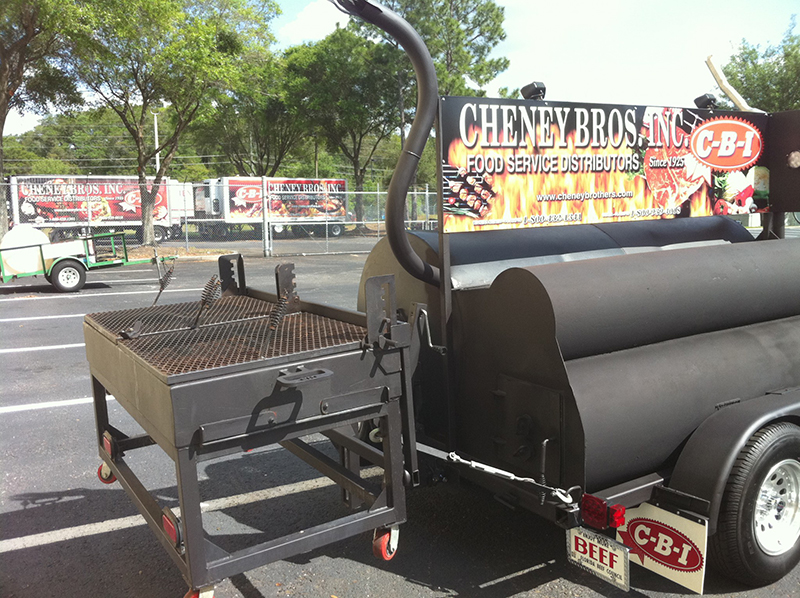
Add sizzle to your summer with custom trailers built for grills, barbeques, smokers, and more.  Just in time for National Barbecue Month, Double R Manufacturing is customizing truck trailers, pull-behind pits, and BBQ carts to match your tastes.

Whether you need extra storage, prep areas, or just some rolling convenience for going the distance – there are endless summer options for new trailer designs.

Specialty Trailers, Repairs, and Customizations

As manufacturers of specialty trailers, Double R’s skilled engineers offer a wide variety of services for trailer repairs and customizations. From axels and bearings to accents and accessories, Double R’s one-stop-shop will equip you for hitting the road.

Additionally, Double R’s services for specialty trailers include commercial, utility, cargo, boat, or campers. If you have a major-brand trailer in need of repairs, or if you would like help with truck conversions and custom fabrication – Double R’s experts have solutions to keep your summer plans on track.

View our gallery of truck trailers and truck conversions here.

Trailer Fabrication for Custom Smokers and BBQ Grills

Summer is the season for outdoor events. We often see an uptick in requests for trailer fabrication this time of year, especially for custom smokers and BBQ grills. Double R’s team understands that commercial vendors need to haul smokers to events across the nation. Also, we know grill masters are ready to fire up those grills for reunions and celebrations.

Of course, for the ultimate in functionality, Double R’s manufacturers offer custom trailer fabrication for all your needs and size specifications. From concept to delivery, our processes may include custom designs, welding, sandblasting, and assembling.

Style is also a top priority. The hottest trends include special features, logos, accents, and branding for custom smokers, BBQ grills, trailers, carts, and more.  Choose any color of powder coating to prevent rust and to reduce wear-and-tear.

To start the process, customers may vocalize a vision, supply a CAD file, or offer example images for their design preferences. Others leave it all to Double R’s creative designers.

Double R Manufacturing can help create masterpieces for caterers traveling across the nation as well as those simply wanting to show off at neighborhood cookouts.

View our BBQ gallery here.

Contact Double R Manufacturing for your custom projects. Call us today at (800) 813-3361. 
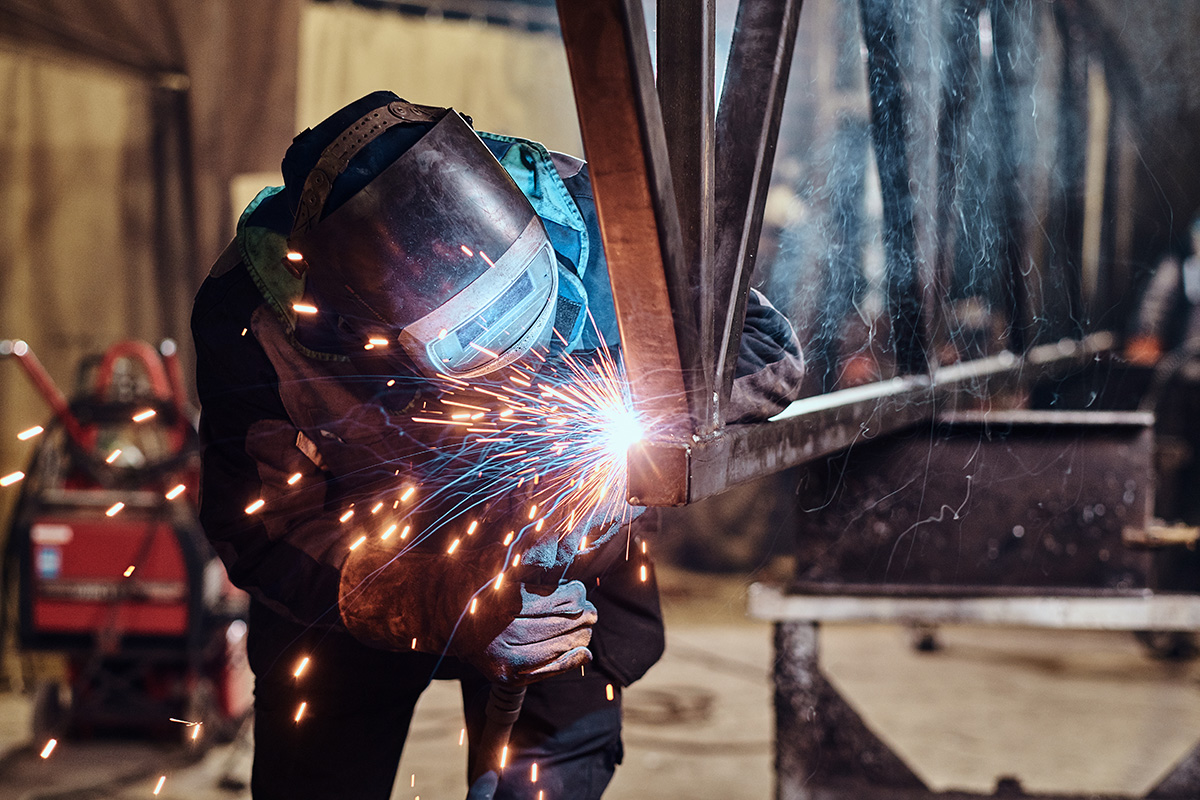
Based in tropical Florida, Double R’s experts understand the necessity of precision manufacturing for creating high-quality products to outlast the wind, rain, and storms. From the start, custom items and precise parts must be manufactured, prepared, and protected against the effects of rugged weather.

In recognition of National Preparedness Month this September, Double R Manufacturing and our CNC Machining experts are explaining the most protective benefits of customized products for residential homes, commercial businesses, farms, ranches, and other properties.

Machining, Precise Parts, and Custom-Fitted Designs

Machining experts and skilled manufacturers can create precise parts and custom-fitted designs to promote the sturdiness and longevity of products, equipment, and other items.

Weak materials and poorly fitted parts are the most susceptible to damage during storms or disasters. Many property owners can prevent a disaster before it strikes by opting for more durable products. Double R creates custom designs for manufactured pieces made with sturdy metals, steel, aluminum, and versatile plastics.

At Double R, we have skilled experts in CNC machining, manual machining, metal fabrication, sandblasting, abrasive waterjet cutting, precision welding, and many other processes to ensure functionality, while also improving abilities to withstand environmental conditions. These processes are crucial for building essentials like security gates, signage, stairs, fences, railings, shutters, doors, trailers, carts, tables, benches, and other pieces.

Weather-Resistant Equipment and Powder Coatings

Additionally, Double R adds powder coatings and special finishes for weather-resistant equipment. Lesser-quality items from big-box stores might seem like a bargain, but those could chip or fall apart in certain climates, costing you more money to replace down the road.

Through precision manufacturing from Double R, customers can reap the long-lasting benefits of hardwearing finishes and protective coatings in thousands of available colors and styles. Custom powder coatings help to prevent corrosion and prevent rust.

With over 75 years of combined experience in design and fabrication, Double R is prepared to manufacture, assemble, and deliver your unique items as well as provide fast turnaround on large-scale production runs.

We work with individuals and corporations on projects big and small.  Call Double R Manufacturing today at 1-800-813-3361 OR contact Double R’s machining experts at 352-873-1441 to learn more about our array of services and products.

Custom Metal Fabrication

Each year, new design trends begin to form. The team at Double R Manufacturing is busy designing pieces in the newest styles, but we are also forming a few of our own trends through metal customizations.

For the latest 2023 designs, someone may ask us to restore a metal item by applying a vibrant powder-coating color like Viva Magenta, which is Pantone’s Color of the Year. Better yet, let us explain how our fabrication experts will design around your visions for custom-built pieces.

Customizing and Fabricating Metal Products and Equipment

Across the nation, there is a growing demand for sleek metal products, equipment, accessories, stylish furniture, hardware, and accents.  Specifically, when customizing equipment, the most-desired materials include steel, stainless steel, sheet metal, aluminum, and brass.

As trends in 3D printing and digital arts emerge, it is clear the highest quality pieces still require the creativity and experience of skilled manufacturers. Hands-on experts know the complex techniques needed for cutting, bending, assembling, and delivering top-of-the-line products.

When fabricating metal products and equipment, certain pieces may need to be sandblasted, casted, molded, sheared, bent, folded, welded, stamped, pressed, or processed in any number of techniques to achieve the desired results for our customers.

At Double R, we can customize single or mass quantities of items for residential customers, commercial enterprises, public entities, farms, or ranches.

Plus, we stay up to date on the latest styles, features, and trends for essential equipment like security gates, doors, fences, stairs, railings, shutters, barn accessories, stalls, and countless other manufactured products.

Metal Restoration and Personalization of Special Pieces

In addition to essential products and equipment, Double R provides restoration and personalization. We can restore special pieces, add branding, and manufacture brand new items like signage, carts, trailers, shelves, racks, bars, tables, benches, yard art, wall art, gun/storage boxes, small bridges, and custom barbeque grills.

In recent years, there has been new design trends in metal restoration. Rather than disposing of old or rusty pieces, many people want to repurpose or restore items for new uses. Double R can help you restore a family heirloom or re-color and add design features to special pieces.

With 75 years of combined experience in design and fabrication, Double R Manufacturing’s metal-fabrication specialists are ready to manufacture your 2023 products in the latest materials, colors, styles, sizes, and specifications for your unique needs.

Whether we work with an individual or a corporation, one piece or thousands, we enjoy bringing your product visions to life. Call Double R Manufacturing today at (800) 813-3361 to learn more.

In celebration of International Creativity Month, Double R Manufacturing joins people around the world in recognizing the benefits of creative design. In many ways, creativity improves manufacturing and adds value to your products and equipment.

Creativity in manufacturing, specifically, is where Double R’s team shines. Our skilled manufacturers and artisans love bringing your visions to life and thinking outside the box when designing, creating, and building. Consider these reasons to choose our creative team:

  1. Creatively Built Items Combine Skilled Arts with Quality Materials

Meticulously, Double R’s team strives to create the best quality items. Our unique combination of skill, creativity, and precision is put into casting, molding, welding, sandblasting, waterjet cutting, assembling, and powder coating. Our skills ensure superior quality, longevity, and aesthetic appeal.

In contrast to low-quality materials used by generic suppliers of mass-produced items, our skilled manufacturers work with only the best possible materials, steel, and metal.  Whether one item or thousands created from an original design, Double R’s products and equipment are built to stand the test of time.

  1. Creative Design Improves the Fit and Functionality of Items

Quality design demands a certain level of creativity.  Fabrication, assembly, and even delivery requires creative processes and specifications to ensure a perfect fit for manufactured items. Style and functionality are both improved when combining creativity and skill.

In addition to the perfect measurements, we bring your concepts and ideas to fruition with customized colors, logos, or features. Double R’s creative thinkers can build pieces tailored for a specific time, place, or situation. Customers may supply a photo, image, CAD file, or description to spark the creative process.

  1. Customized Products are Limitless with a Creative Mindset

As part of an elite industry of skilled manufacturers, Double R’s team has served and surpassed the expectations of homeowners, businessowners, public entities, farmers, ranchers, and others across America.

Through custom fabrication, Double R’s services include gates, fencing, railings, stairs, signage, tables, bars, benches, barn equipment, trailers, truck conversions, custom BBQs, carts bumpers, small bridges, ramps, toolboxes, roof supports, shelving, clothing racks, yard art, wall art, storage boxes, hooks, marine products, and much more.

As we begin this New Year, Double R Manufacturing looks forward to surpassing your creative expectations with customized products and equipment.

Double R Manufacturing works with individuals and corporations on projects big and small. Call us today at (800) 813-3361 to learn more about creating new products and equipment.

In celebration of President’s Day each February, many stores hold retail sales and boast discounts on furniture and other items for homes and businesses. As a promotional strategy intended to clear showrooms for new inventory, those clearance prices sometimes lure shoppers into buying low-quality items that savvy shoppers simply passed on last season.

Rather than mistaking a subpar purchase for a bargain, the experts at Double R Manufacturing are explaining the benefits of opting for high-quality design, durability, and custom value.

Value of Custom-Built Furniture, Tables, Bars, Benches, and More

In terms of quality, you cannot beat the value of custom-built furniture, tables, bars, benches, and other items for your homes and businesses.

Often, retail sales and marked-down prices occur because items are flimsy, ill fitting, quick-to-chip, or lack longevity.  Even worse, some “mark-downs” are not a deal at all.  There are retailers that keep their “regular prices” extra high to give the illusion of a lower price during sales on President’s Day and other holidays.

As a better option, Double R custom builds high-quality pieces according to your specific budget and unique needs. Double R’s skilled artisans and engineers account for the value of proper fitting, aesthetics, durability, and longevity when it comes to the delivery of customized products and equipment for customers across the United States.

Budgeting for Built-to-Last Equipment and Products

Whether working with an individual on a budget for one perfect piece of equipment, or a corporation budgeting for a large quantity of customized products, Double R Manufacturing will surpass expectations.  We work hard to ensure the design and fabrication is superior in quality to mass-produced items from manufacturing competitors and retailers.

In addition to furnishings, our priceless catalog of built-to-last pieces includes equipment, products, signage, fencing, gates, stairs, railings, stall doors, shutters, barbeques, trailers, and countless other manufactured items with custom value for satisfied customers.

From sandblasting to waterjet cutting and welding, Double R builds items made of wood, top-quality steel, metal, and other durable materials topped with rust-inhibiting powder coatings in a limitless array of colors, styles, and designs.  Lesser-quality pieces lingering in a showroom simply can’t compete in terms of value.  We create indoor and outdoor works-of-art that hold their value and stand the test of time.

Call Double R Manufacturing today at (800) 813-3361 to discuss customized furniture, products, and equipment to fit your budget and project goals.