
Latest News

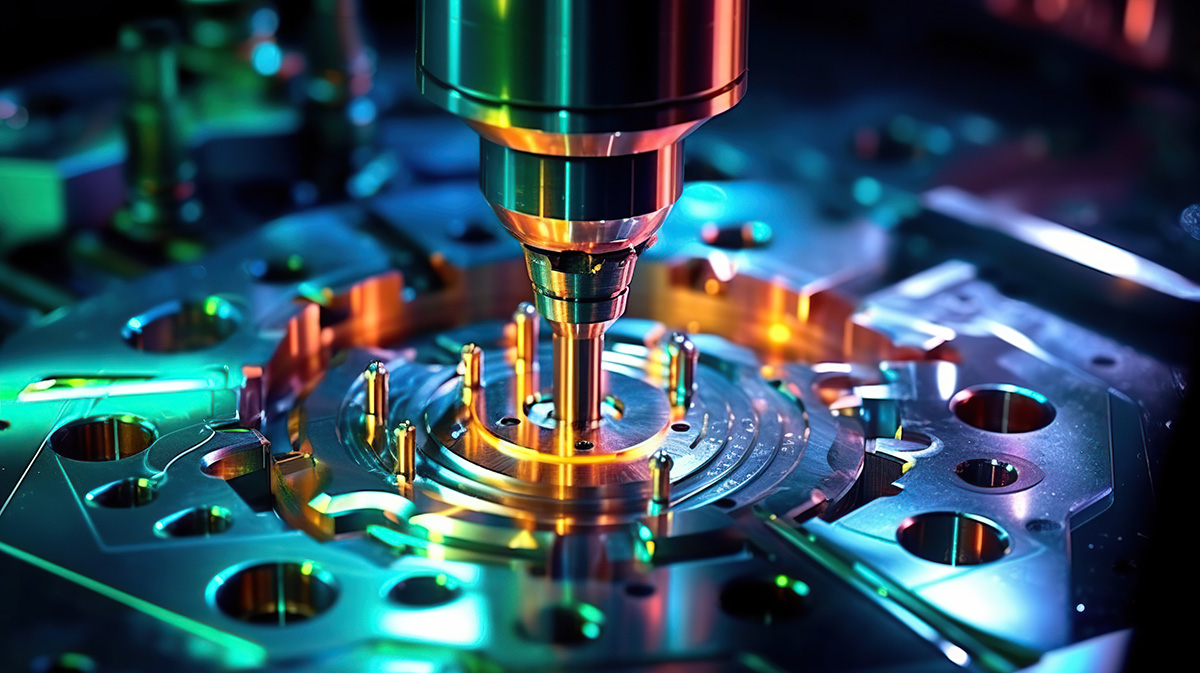
Every new product, custom bracket, or one-off fix starts the same way: an idea that hasn’t been tested against reality yet. A sketch, a CAD file, a rough dimension scrawled on a shop drawing. The gap between that idea and a physical part you can hold, test, and install is where a lot of projects either move forward with confidence or stall out on guesswork. CNC prototyping closes that gap fast—and that speed changes the way people are willing to build.

At Double R Machining, our Ocala-based CNC shop was built to handle exactly this: producing one-off prototypes and short-run parts with the same precision and material range as full production work, without requiring production-scale commitment to get there.


Why Prototyping Deserves Its Own Process

It’s tempting to think of a prototype as just a smaller version of the final production run, but the priorities are actually different. A prototype’s job is to answer a question—does this part fit, does this design hold up, does this tolerance actually matter in practice—as quickly and cheaply as possible. Production machining optimizes for consistency at volume. Prototyping optimizes for speed and iteration.

CNC machining is particularly well suited to this because a design change doesn’t mean retooling. Adjust the CAD file, reprogram the toolpath, and the next version can be cut. That flexibility is what makes it possible to test a real part against real-world conditions, find what doesn’t work, and correct it—often within days rather than the weeks a hard-tooled process would require.


What CNC Prototyping Actually Solves

Fit and function testing. A 3D-printed mockup can confirm a shape looks right. It can’t always confirm a part will hold up under load, thread correctly, or machine to the tolerance a mating component needs. A CNC-machined prototype is made from the actual material the final part will use, so what gets tested is genuinely representative of the finished product.

Design iteration without waste. Catching a design flaw after committing to production tooling is expensive—sometimes prohibitively so. Catching it in a prototype round costs a fraction as much and takes a fraction of the time. Being able to run several iterations before locking in a final design is often the difference between a part that works and a part that technically meets spec but causes problems downstream.

Short lead times when they matter most. Prototyping often happens under time pressure—a client waiting on a proof of concept, a production line down and needing a stopgap part, a trade show deadline. CNC machining’s programmability means a single part or small batch can move from file to finished piece quickly, without waiting on a production queue.


Materials That Match the Real Application

A prototype tested in the wrong material can pass every test and still fail once it’s built for real. Double R Machining works across stainless steel, steel, tool steel, aluminum, brass, and engineering plastics like Delrin, HDPE, and nylon, which means a prototype can be produced in the same material the final part will actually use—not a substitute that happens to be easier to cut. That matters for anything where strength, wear resistance, corrosion, or weight are part of the design question, which is most real-world parts.


From One-Off to Production, Without Switching Shops

One of the practical advantages of prototyping through a full-service shop is that the transition from prototype to production doesn’t require finding a new vendor, resending files, and hoping tolerances translate. The same CNC equipment, the same programming, and the same quality standards that produced the prototype carry directly into a production run—whether that’s ten parts or ten thousand.

That continuity also means feedback from the prototyping stage—a tolerance that needed loosening, a feature that was hard to hold consistently—gets built into the production process from day one, instead of getting rediscovered the hard way once volume production starts.


Start With a Part You Can Hold

Ideas are easy to argue about. Parts are not. A CNC-machined prototype turns a design question into something concrete enough to test, measure, and hand to the people who need to sign off on it.

If you’re working through a design that needs a real part before it needs a production run, Double R Machining is ready to help you get there—one prototype at a time.

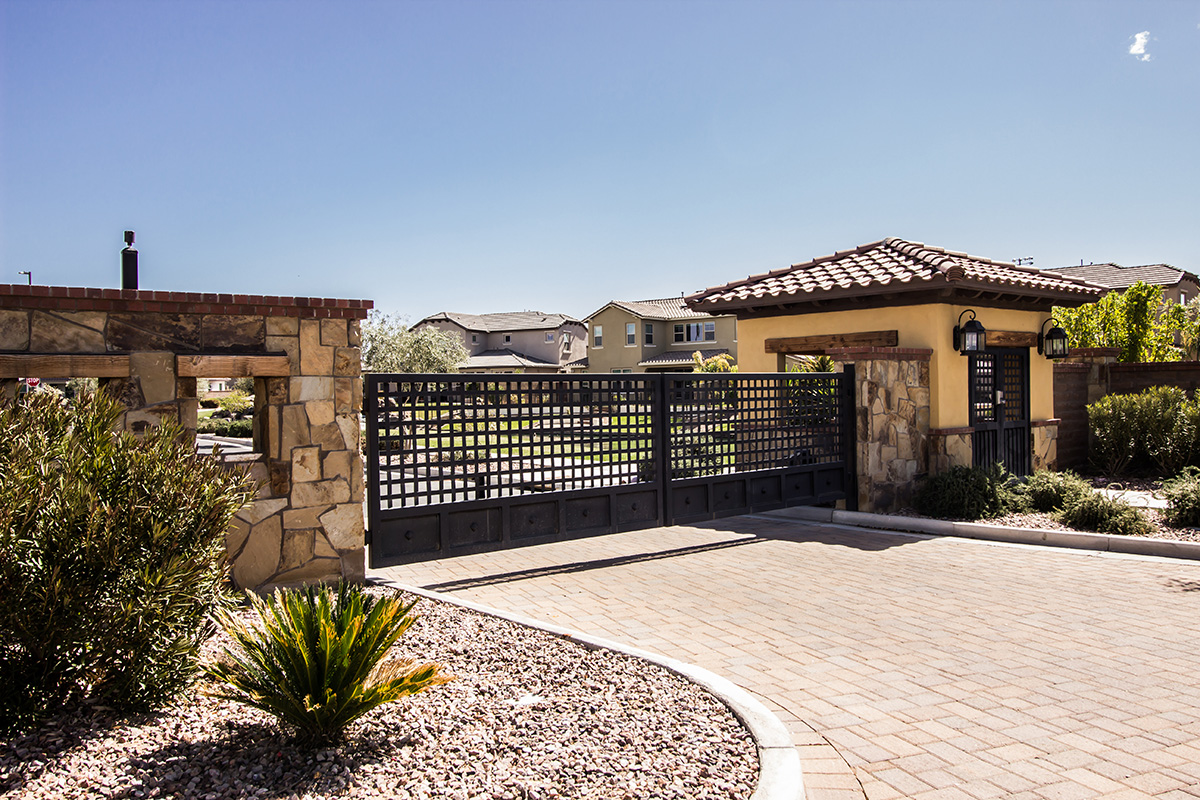
Railings and handrails tend to get noticed only when something’s wrong with them—a wobble underfoot, a gap that’s too wide, a rust stain bleeding down a porch post. Done right, they disappear into the background of a building or a home. That’s actually the goal. A railing’s job is to be sturdy, safe, and unremarkable, and getting there takes more thought than most people expect.

At Double R Manufacturing, we build custom railings and handrails for both residential and commercial projects, and while the applications vary widely, the underlying priorities don’t: safety, code compliance, durability, and a finish that fits the space it’s in.


Why “Standard” Doesn’t Always Fit

Stock railing kits work fine in a lot of situations—but stairs, porches, and platforms are rarely as standard as the products built for them. Uneven rise and run, irregular landings, curved staircases, unusual mounting surfaces, and non-standard heights all show up constantly in real buildings. When a stock railing gets forced into one of these situations, the result is often a system that technically installs but doesn’t actually perform the way it should.

Custom fabrication solves this by starting with the actual measurements and conditions of the space, rather than adapting the space to fit a pre-made product. That matters more than it might seem, because a railing that’s slightly off—too short a post embedment, an inconsistent baluster spacing, a rail height that’s an inch under code—isn’t just a cosmetic issue. It’s a safety issue.


Safety and Code Compliance Aren’t Optional

Railings exist because falls happen, and building codes around them are specific for a reason. Height requirements, baluster spacing (typically no gaps wide enough to pass a 4-inch sphere), load-bearing capacity, and graspability standards for handrails all exist to prevent real injuries.

For commercial projects especially, code compliance isn’t a suggestion—it’s an inspection requirement, and a railing that fails inspection means delays, rework, and added cost. Building custom means those requirements get engineered in from the start rather than discovered as a problem after installation. It also means the railing is built to actually carry the loads it’s rated for, not just to look the part.


Residential vs. Commercial: Different Priorities, Same Standards

Residential railings tend to prioritize aesthetics alongside safety. A porch railing, an interior stair rail, or a deck system is part of how a home looks and feels, and homeowners often have a specific style in mind—clean modern lines, traditional wrought-iron detailing, or something that matches existing architectural elements. Custom fabrication allows for that flexibility without sacrificing the structural requirements underneath.

Commercial railings shift the priority toward durability and code compliance under heavier use. A railing on a loading dock, a warehouse mezzanine, or a public stairwell needs to hold up to daily wear, weather exposure, and higher traffic than a residential system typically sees. Material choice, weld quality, and mounting method all carry more weight here, since the margin for failure is smaller and the consequences are more serious.

Both categories benefit from the same underlying process: careful measurement, quality material, and welding done to hold up over time—just applied with different priorities depending on where the railing lives.


Material and Finish Matter More Than They Look Like They Do

Steel, aluminum, and stainless steel each bring different tradeoffs in strength, weight, cost, and corrosion resistance, and the right choice depends on the environment. A coastal deck railing or one exposed to road salt needs different material and finishing than an interior stair rail in a climate-controlled building.

Finish matters just as much. Powder coating provides a durable, weather-resistant surface in a wide range of colors, while other finishes suit different aesthetic or budget needs. Getting this right up front avoids the common problem of a railing that looks good on installation day and starts showing rust or wear within a couple of seasons.


The Value of Building It Right the First Time

A railing is a long-term piece of infrastructure, whether it’s on a front porch or a commercial stairwell. Poor welds, undersized posts, or corner-cutting on materials tend to surface as problems years down the road—loose posts, cracked welds, rust that’s gone past the surface. Fixing those issues later is almost always more expensive and disruptive than building it correctly the first time.

At Double R Manufacturing, custom railings and handrails are built to the specific dimensions, code requirements, and conditions of each project, with welding and fabrication done to hold up under real, ongoing use. Whether it’s a single porch rail or a full commercial stairwell system, the goal is the same: something that’s safe, compliant, and built to last—the kind of railing that does its job well enough that nobody thinks twice about it.

If you have a railing or handrail project in mind, Double R Manufacturing is ready to talk through what it needs.

Vintage Tractor Restoration

There’s something deeply satisfying about a vintage tractor running the way it did fifty years ago. Or a classic piece of farm equipment—a hay baler, a grain elevator, an old pull-behind plow—restored to working condition rather than left to rust in a fence row. For a lot of people, this isn’t just about nostalgia. It’s about preserving equipment that was built to last, honoring the craftsmanship of an earlier era, and in many cases, putting something genuinely useful back into service.

But restoration is not a simple process. Old iron comes with old problems: corrosion that runs deeper than it looks, parts that haven’t been manufactured in decades, metal fatigue that isn’t visible to the naked eye, and surface damage that tells the story of every hard season the machine endured. Bringing that equipment back properly requires more than a wire brush and a coat of paint. It requires a fabrication shop with the right combination of skills, equipment, and patience to work through the challenges that vintage restoration almost always presents.

At Double R Manufacturing and Double R Machining, restoration work draws on nearly every service we offer—often within a single project. Here’s a look at what that actually involves.


The Assessment: Starting With What You Have

Every restoration begins the same way: understanding the true condition of the piece. Surface rust is one thing. But decades-old farm equipment has often experienced stress fractures in welds, thinning metal from corrosion-from-the-inside-out, bent or twisted structural members, and fasteners that are essentially fused in place.

Before any work begins, it’s worth doing a thorough mechanical and structural assessment. What’s solid? What’s compromised? What’s missing entirely? The answers to those questions shape everything that follows—the order of operations, which services are needed, and whether certain components need to be fabricated from scratch because they simply can’t be sourced anywhere else.

That last point comes up more than people expect. Parts for equipment manufactured in the 1940s, 1950s, and 1960s often don’t exist in the aftermarket anymore. Reproduction parts for common vintage tractors are available, but anything more specialized—a custom bracket, a wear plate, a specialized linkage component—may need to be fabricated to original specifications or reverse-engineered from what’s left of the worn-out original. This is where CNC machining and custom fabrication become central to the restoration process, not just finishing touches.


Sandblasting: Getting Down to the Truth

Before any welding, fabrication, or finishing can happen, the metal needs to be clean—genuinely clean, not just surface-clean. This is where sandblasting earns its place as one of the most important steps in any serious restoration.

Decades of paint, rust, grease, and surface oxidation can hide the actual condition of the metal underneath. Sandblasting strips all of it away, revealing hairline cracks, pitted surfaces, thinned sections, and areas where rust has eaten further than expected. On vintage equipment, this step regularly changes the scope of the project—in ways that ultimately save money and produce a better result.

Sandblasting also creates the surface profile that makes subsequent finishing work last. Paint, primer, and powder coating all bond more effectively to a properly blasted surface than to metal that’s been sanded or chemically stripped. For a restoration that’s meant to last another fifty years rather than just look good for a season, that bond quality matters enormously.

Different media are used for different situations. Aggressive abrasives remove heavy rust and scale quickly. Finer media are used for thinner metal or surfaces where maintaining dimensional accuracy is important. The right choice depends on the material, its condition, and what comes next in the process.


Welding: The Heart of Structural Restoration

For vintage equipment with any structural damage, welding is where the real restoration work happens. Cracked frames, broken mounting tabs, worn attachment points, split seams on implements—these are the kinds of repairs that determine whether a piece of equipment is genuinely restored or just cosmetically refreshed.

Quality welding on restoration projects requires more than technical skill. It requires understanding how the original piece was constructed, what stresses it was designed to handle, and how decades of use may have changed the properties of the surrounding metal. Welding into old, potentially brittle, or work-hardened metal demands careful preparation and the right process selection. A weld that looks good but doesn’t account for the condition of the base metal can fail under load—often at the worst possible moment.

For structural repairs on frames and load-bearing components, the goal is always a repair that’s as strong as or stronger than the original construction. For cosmetic or non-structural repairs—restoring sheet metal, replacing worn panels, fabricating missing trim or guards—the goal shifts toward matching original appearance while maintaining durability.

Custom fabrication steps in when original parts can’t be welded back together or sourced elsewhere. A mounting bracket that’s cracked beyond repair gets reverse-engineered and fabricated new. A worn wear plate gets replaced with a fresh piece cut to the original profile. A missing implement hitch gets built to spec. These aren’t workarounds—they’re how a proper restoration handles the realities of working with old equipment.


CNC Machining: Precision Where It Counts

Not every restoration need involves structural steel. Vintage tractors and farm equipment have shafts, bushings, gears, pins, and precision-fit components that may be worn, damaged, or completely unavailable as replacement parts.

This is where CNC machining fills a critical gap. When a worn shaft needs to be turned to original dimensions, when a bushing needs to be machined to fit a specific bore, or when a simple but unobtainable part needs to be replicated from a drawing or a physical sample, precision machining makes it possible. The alternative—hunting for a reproduction part that may or may not exist, or running worn components that introduce slop and accelerate further wear—rarely produces a better outcome.

For collectors and restorers working on equipment that still needs to function rather than just display, machined components often make the difference between a tractor that runs right and one that runs well enough.


Powder Coating: A Finish Built to Last

Once the structural work is done and the surfaces are prepared, the finishing stage determines how the restoration holds up over time. For vintage farm equipment that’s going back into service, or even for display pieces that will be exposed to the elements, powder coating is the most durable finish available.

Unlike liquid paint, powder coating is applied electrostatically and cured under heat, producing a finish that bonds at a molecular level with the metal surface. It’s significantly more resistant to chipping, scratching, UV fading, and moisture than conventional paint—and when applied over a properly sandblasted surface, it can realistically last decades without significant deterioration.

For restoration work, powder coating also offers something liquid paint traditionally struggles with: consistency. Color matching to original equipment colors is achievable, and the finish quality is uniform across complex shapes and hard-to-reach surfaces in ways that brush or spray application can’t always replicate.

For pieces where absolute originality is the goal—concours-level restorations for show or competition—some restorers prefer period-correct liquid paint finishes. That’s a legitimate choice. But for equipment that’s going back to work, powder coating’s durability advantage is hard to argue with.


The One-Stop Advantage in Restoration Work

What makes complex restoration projects challenging isn’t usually any single service—it’s the coordination between them. Sandblasting before welding. Welding before machining. Machining before final assembly. Powder coating last. When those steps happen in different places, with different shops, communication gaps, scheduling conflicts, and inconsistent standards add up quickly.

Handling the full sequence under one roof changes that dynamic. Assessment, sandblasting, welding, fabrication, machining, and powder coating as a coordinated workflow means each step is done with knowledge of what comes before and after. It also means that when the assessment reveals something unexpected—and in vintage restoration, it almost always does—the response can be immediate rather than involving multiple vendors and rescheduling chains.


Old Iron Deserves the Right Shop

Vintage and classic equipment restoration is patient, skilled work. The machines themselves were often built by craftsmen who took pride in their work, and bringing them back properly honors that original craftsmanship. It also, in many cases, produces a result that’s more durable and more capable than anything available as a modern replacement.

If you have a vintage tractor, a piece of classic farm equipment, or old iron of any kind that deserves better than the fence row it’s been sitting in, Double R Manufacturing is ready to put it back where it belongs.

When a piece of equipment breaks down or a new build requires a specific component, the first instinct is often to search for a replacement part. And why not? Off-the-shelf parts are fast, familiar, and seemingly straightforward. But “fast” and “right” aren’t always the same thing—and in manufacturing, the difference can cost far more than anyone anticipated.

The choice between a custom-fabricated part and a standard off-the-shelf component is one of the most consequential decisions in any build or repair project. At Double R Manufacturing and Double R Machining, we work through this question with customers every day. There’s no universal answer, but there is a framework for thinking it through clearly.


What “Off-the-Shelf” Really Means

Off-the-shelf parts are designed to fit a broad range of applications. That’s their strength—and their limitation. Manufacturers produce them in high volumes to standard specifications, which keeps costs down and availability high. For common, uncritical applications, they’re an excellent choice.

But standard parts are engineered for a statistical average, not your specific situation. The bolt pattern that almost fits. The bracket that needs to be shimmed, bent, or welded to work. The component that functions adequately for six months before wearing out because it wasn’t designed for the actual load, environment, or duty cycle of your application.

That “almost” is where project costs quietly accumulate.


What Custom Fabrication Actually Involves

Custom fabrication means a part is designed and manufactured specifically for your application—your dimensions, your materials, your tolerances, your environment. At Double R, this can mean anything from a single CNC-machined component with tight tolerances to a complex welded assembly combining multiple processes: cutting, forming, machining, sandblasting, and powder coating all under one roof.

Custom doesn’t automatically mean expensive or slow. For many projects, the true cost comparison looks very different once you factor in installation time, modifications, rework, and lifespan.


When Off-the-Shelf Is the Right Call

There are situations where standard parts are genuinely the best option, and a good fabricator will tell you so.

When the part is truly standard. If you’re replacing a common fastener, a stock cylinder, or a widely used bearing, an off-the-shelf part is almost always the right choice. These components exist because the application is universal enough to justify mass production.

When speed is the overriding priority. If a piece of equipment is down and production is halted, getting a standard part in 24 hours may be worth more than a custom part in two weeks—even if the custom part would ultimately perform better. The right answer depends on your operational reality.

When the volume is low and the stakes are modest. For one-off repairs on non-critical equipment, the economics of custom fabrication may not pencil out, especially if an off-the-shelf part will get the job done well enough.

When standards compliance matters. Certain industries and applications require parts that meet published standards—UL listings, ASTM specifications, structural ratings. In those cases, certified off-the-shelf components may simplify compliance in ways that custom fabrication cannot.


When Custom Fabrication Is the Smarter Investment

When the part doesn’t exist. This sounds obvious, but it comes up constantly. Legacy equipment, specialized machinery, one-of-a-kind installations—these often require components that simply can’t be sourced from a catalog. Custom fabrication isn’t a premium option here; it’s the only option.

When fit matters for performance. A gate hinge engineered to the exact weight and swing arc of a specific gate performs fundamentally differently than one selected from a hardware catalog. A bracket fabricated to match the exact load path in a structural application doesn’t introduce stress concentrations the way a “close enough” standard part might. Fit isn’t just about aesthetics—it’s about how a component behaves under real-world conditions.

When environment is a factor. Standard parts are often made to survive standard environments. If your application involves harsh chemicals, extreme temperatures, high moisture, or abrasive conditions, a custom part fabricated from the right material—and finished with an appropriate surface treatment—can outlast a standard part by years. That’s not an exaggeration. We’ve seen it repeatedly.

When the total cost of ownership changes the math. A custom part might cost more upfront than its off-the-shelf equivalent. But if it lasts three times as long, requires half the installation labor because it actually fits, and doesn’t cause secondary damage by wearing unevenly against adjacent components, the economics shift significantly. The purchase price is only part of the story.

When you’re building something new. Standard parts were designed for standard applications. If you’re designing a new piece of equipment, a custom structure, or a specialized installation, forcing it to conform to available stock components means making engineering compromises from the start. Custom fabrication lets the design lead—and usually produces a better result.


The Hybrid Reality

In practice, most projects don’t live entirely in one category. A complex fabrication might use custom structural members combined with standard hardware and fittings. A piece of agricultural equipment might need a custom chassis with off-the-shelf hydraulic components. The goal isn’t to favor one approach over the other—it’s to apply each where it makes sense.

That kind of integrated thinking is where working with a full-service fabrication shop pays off. When welding, machining, cutting, and finishing all happen under one roof, it’s easier to identify where a standard part makes sense and where a custom solution is worth the investment—without switching vendors or losing information in translation.


Questions to Ask Before You Decide

If you’re not sure which direction makes sense for your project, these questions can help clarify the picture:

  • Does a standard part with the right specifications actually exist, or am I compromising on fit, material, or performance?
  • What is the true cost if this part fails early, wears out faster, or requires modification to install?
  • How critical is this component? Does failure create a safety risk, a production stoppage, or just an inconvenience?
  • What environment will this part operate in, and is a standard part designed for that environment?
  • Is this a one-time repair or part of a larger system that would benefit from consistent, purpose-built components?

The Bottom Line

Off-the-shelf parts have a place, and custom fabrication has a place. The mistake isn’t choosing one over the other—it’s choosing without fully understanding what you’re optimizing for.

At Double R Manufacturing and Double R Machining, we’re not in the business of pushing customers toward custom work they don’t need. We’re in the business of helping you get the right component for your application—whatever that turns out to be. Sometimes that’s a phone call that ends with “actually, a standard part will work fine.” More often, it’s a conversation that uncovers something that off-the-shelf couldn’t have solved.

When you’re ready to work through the question, we’re ready to help.

When most people think of sandblasting, they envision clouds of abrasive media preparing metal surfaces for paint. While surface preparation certainly represents a core application, sandblasting services at Double R Manufacturing encompass far more than just getting metal ready for coating. From restoration projects to creative surface texturing, sandblasting provides versatile solutions that transform, renew, and enhance metal surfaces across countless applications.

The Science Behind Sandblasting

Sandblasting—more accurately called abrasive blasting—propels abrasive media at high velocity against surfaces to remove contaminants, create texture, or prepare materials for subsequent processes. The effectiveness of sandblasting comes from its ability to physically remove surface material without relying on chemicals or heat that might damage the underlying substrate.

At Double R Manufacturing, our sandblasting capabilities utilize various abrasive media selected specifically for each application. Different materials, grit sizes, and blasting pressures allow us to customize the process for everything from delicate aluminum components to heavy industrial equipment covered in decades of rust and paint.

Rust Removal: Bringing Metal Back to Life

Rust represents one of metal’s most persistent enemies. Once oxidation takes hold, it spreads relentlessly, compromising structural integrity and appearance. Sandblasting provides the most effective method for completely removing rust and returning metal to a clean, stable condition.

Traditional rust removal methods like wire brushing or grinding are labor-intensive and often incomplete. They struggle with complex geometries, textured surfaces, and pitted areas where rust penetrates deeply. Chemical rust removers can work but often leave residues and may not fully address heavy corrosion. Sandblasting, however, reaches every surface area regardless of shape or complexity.

The agricultural sector particularly benefits from sandblasting for rust removal. Farm equipment, feeders, gates, and structural components exposed to weather, chemicals, and animal waste develop significant rust over time. Rather than replacing these expensive items, sandblasting removes all corrosion and prepares the surface for protective coatings that extend service life for years.

Automotive and equipment restoration projects also rely heavily on sandblasting for rust removal. Classic vehicles, vintage machinery, and antique equipment often harbor rust in body panels, frames, and components. Sandblasting strips away decades of oxidation without warping thin metal or damaging intricate details, revealing clean base metal ready for restoration.

The key advantage of sandblasting for rust removal lies in its thoroughness. The process removes not just surface rust but also scale, mill scale from manufacturing, and any compromised metal. This complete removal ensures that subsequent coatings adhere properly and that hidden corrosion won’t continue spreading beneath new finishes.

Paint Stripping: The Foundation of Quality Refinishing

Removing old paint presents unique challenges. Multiple layers of different paint types, each with varying adhesion properties, create complex removal situations. Some areas may have paint failure and flaking, while others maintain tenacious bonds to the substrate. Industrial coatings, powder coating, and specialized finishes can prove particularly difficult to remove with conventional methods.

Sandblasting excels at complete paint removal regardless of the coating type or number of layers. The abrasive action strips away all paint, leaving bare metal with the ideal surface profile for new coatings. This complete removal prevents compatibility issues between old and new finishes and ensures that failing paint doesn’t compromise fresh applications.

Commercial and industrial equipment often requires paint stripping as part of maintenance or rebranding efforts. Manufacturing equipment, material handling systems, storage tanks, and structural components accumulate paint layers over years of service. When repainting becomes necessary, sandblasting provides the most efficient method for removing old coatings and preparing surfaces for new protective systems.

Architectural restoration projects frequently involve paint stripping from ornamental metalwork, railings, gates, and structural elements. These applications often feature complex designs where traditional paint removal methods prove impractical. Sandblasting reaches into decorative details, behind scrollwork, and around intricate features, ensuring complete paint removal throughout the piece.

For powder coating applications, sandblasting provides essential surface preparation. Powder coating requires extremely clean, properly profiled surfaces to achieve optimal adhesion and performance. Sandblasting creates the ideal surface texture while removing any contaminants that might compromise the coating bond.

Surface Texturing: Beyond Preparation

One of sandblasting’s most versatile but often overlooked capabilities involves creating specific surface textures for functional or aesthetic purposes. The texture produced during sandblasting isn’t just a byproduct—it can be precisely controlled to achieve desired surface characteristics.

Aesthetic texturing applications include creating uniform matte finishes on architectural metalwork, producing specific visual effects on decorative panels and artwork, and establishing consistent surface appearance across multiple components. The uniform texture sandblasting creates provides an attractive finish that many architectural and design applications prefer over polished or mill-finish surfaces.

Functional texturing serves practical purposes beyond appearance. Sandblasting can create surfaces with improved paint adhesion through controlled roughness profiles, enhance grip on handles, steps, or walking surfaces, prepare surfaces for welding by removing contaminants and creating clean texture, and establish proper surface profiles for specific coating systems that require defined anchor patterns.

Industrial applications often specify particular surface profiles measured in mils of peak-to-valley height. Sandblasting allows precise control over these profiles by adjusting abrasive type, grit size, and blasting parameters. This control ensures that surfaces meet specification requirements for subsequent coating or bonding operations.

The versatility of sandblasting for surface texturing extends to artistic applications. Craftsmen and artists use controlled blasting to create shaded effects, highlight specific areas, produce dimensional contrast on flat surfaces, and generate unique visual textures impossible to achieve through other means.

Specialized Applications

Beyond these primary applications, sandblasting serves numerous specialized needs. Weld preparation benefits from sandblasting’s ability to remove mill scale, rust, and contaminants from areas scheduled for welding. Clean metal ensures quality welds and prevents defects caused by surface contamination.

Concrete and masonry surfaces can be cleaned or textured through sandblasting, removing stains, paint, or coatings while preparing surfaces for sealing or refinishing. Stone cleaning and restoration uses carefully controlled blasting to remove biological growth, pollution staining, or unwanted coatings without damaging the underlying material.

Equipment refurbishment often begins with complete sandblasting to assess actual component condition beneath accumulated dirt, grease, and coatings. This revelation of base material condition helps determine whether components can be reused, require repair, or need replacement.

The Double R Manufacturing Advantage

Our sandblasting services go beyond simple media blasting. We understand that different applications require different approaches, and we customize our processes accordingly. Surface preparation for powder coating demands different parameters than rust removal from heavy equipment. Delicate aluminum components require gentler treatment than thick steel structures.

Our experienced operators know how to adjust media type, pressure, and technique to achieve optimal results for each specific application. We can blast large structural components, intricate decorative pieces, and everything in between. Our containment and recovery systems ensure clean operations and environmental compliance.

When sandblasting represents just one step in a larger fabrication or restoration project, our comprehensive capabilities streamline the entire process. We can sandblast components, perform necessary fabrication or repairs, and apply protective coatings—all under one roof with consistent quality control throughout.

Transforming Surfaces, Extending Service Life

Sandblasting represents far more than surface preparation—it’s a transformative process that removes decades of deterioration, strips away failing finishes, and creates precisely controlled surface characteristics. Whether you’re restoring vintage equipment, maintaining agricultural machinery, preparing components for powder coating, or creating architectural metalwork with specific surface textures, sandblasting provides versatile, effective solutions.

At Double R Manufacturing, our sandblasting services support countless applications across residential, agricultural, commercial, and industrial sectors. Our commitment to quality, attention to detail, and comprehensive capabilities ensure your components receive the precise surface treatment your project demands.

Ready to discover how professional sandblasting can transform your metal surfaces? Contact Double R Manufacturing today to discuss your specific needs and learn how our sandblasting expertise can support your next project.

Choosing the right cutting method can make or break a custom fabrication project. While various cutting technologies each have their strengths, waterjet cutting offers unique advantages that make it the ideal choice for specific applications. At Double R Manufacturing, we help customers navigate these decisions daily. Understanding when waterjet cutting provides the best solution for your specific needs can save time, reduce costs, and ensure superior results.

When Material Matters Most

If your project involves materials that are sensitive to heat, waterjet cutting may be your only viable option. Unlike plasma, laser, or torch cutting methods that use extreme temperatures, waterjet cutting is a cold process that generates no heat-affected zone. This distinction becomes critical when working with materials that change properties under heat exposure.

Hardened tool steels, for example, can lose their heat treatment and become soft if exposed to cutting temperatures. Aluminum alloys may warp or distort when heated unevenly. Composites and laminates can delaminate or burn. Tempered glass requires cutting methods that won’t create thermal stress. For these materials, waterjet cutting preserves the original material properties throughout the entire cutting process.

The versatility of waterjet cutting also shines when your project requires cutting materials that other methods simply cannot handle. Stone, ceramic, rubber, thick plastics, and exotic composites all fall within waterjet capabilities. If you’re working with unusual materials or combining different materials in a single project, waterjet cutting provides the flexibility you need without requiring multiple cutting processes.

Precision and Complexity Requirements

Does your project feature intricate patterns, tight inside corners, or complex geometric shapes? Waterjet cutting excels at producing detailed cuts that would challenge or exceed the capabilities of other cutting methods. The narrow kerf (cut width) of waterjet cutting—typically just a few thousandths of an inch—allows for intricate details and tight nesting of parts to maximize material usage.

Projects requiring logos, decorative patterns, or artistic elements benefit tremendously from waterjet precision. The technology can reproduce complex CAD designs with exceptional accuracy, translating digital artwork directly into precisely cut metal, stone, or composite materials. For architectural metalwork, custom signage, or artistic installations, this precision enables design possibilities that simply aren’t achievable with traditional cutting methods.

Tolerance requirements also guide the decision toward waterjet cutting. When your project demands dimensional accuracy within a few thousandths of an inch across the entire cut, waterjet technology delivers consistent results. This precision proves particularly valuable for parts that must fit together precisely or interface with existing components where dimensional accuracy is non-negotiable.

Edge Quality and Finishing Considerations

The edge quality produced by waterjet cutting often eliminates or significantly reduces secondary finishing operations. Waterjet-cut edges are typically smooth and burr-free, reducing the grinding, filing, or deburring that other cutting methods require. For projects where finished edge quality matters—whether for aesthetic reasons or functional requirements—this advantage translates directly into time and cost savings.

If your project involves materials where you cannot afford edge discoloration, hardening, or oxidation, waterjet cutting’s cold process maintains pristine edges. Stainless steel stays bright and oxide-free. Aluminum shows no heat discoloration. Painted or coated materials can be cut without damaging the finish near the cut edge. This clean cutting process reduces rework and produces parts that are closer to finished condition immediately off the machine.

Material Thickness Considerations

Waterjet cutting handles an impressive range of material thicknesses, from thin sheets to materials several inches thick. If your project involves cutting thick materials—particularly when combined with the need for intricate shapes or high-quality edges—waterjet cutting often provides the best solution.

Thick stainless steel, aluminum plate, or stone slabs that would challenge other cutting methods fall well within waterjet capabilities. The technology maintains cutting quality and precision even through substantial material thickness, though cutting speed decreases as thickness increases. For projects where thick material cutting is required but production volume doesn’t justify faster methods, waterjet cutting delivers excellent results.

Environmental and Safety Factors

Projects with environmental concerns or workplace safety requirements often benefit from waterjet cutting’s clean process. The technology produces no fumes, smoke, or harmful emissions that other thermal cutting methods generate. No grinding sparks, no metal vapor, no combustion byproducts—just water and abrasive that can be filtered and managed straightforwardly.

For indoor cutting operations or situations where ventilation is limited, waterjet cutting’s environmental friendliness becomes a significant advantage. The process also eliminates fire hazards associated with torch or plasma cutting, making it suitable for environments where open flames or extreme heat present unacceptable risks.

Prototype and Low-Volume Production

If you’re developing prototypes or need small quantities of custom parts, waterjet cutting offers excellent economics. The technology requires no expensive tooling, dies, or lengthy setup processes. We can move from your digital design to cutting parts within hours, enabling rapid prototyping and design iteration.

This quick-turnaround capability proves invaluable when you’re refining designs and need to test multiple variations quickly. The ability to modify designs between parts—or even create entirely different parts in the same production run—provides flexibility that traditional manufacturing methods cannot match.

Making Your Decision

Understanding whether waterjet cutting suits your specific project comes down to evaluating several key factors: your material type and properties, the complexity and precision your design requires, edge quality expectations, material thickness, environmental considerations, and production volume.

At Double R Manufacturing, we don’t believe in one-size-fits-all solutions. Our team works with you to understand your specific requirements and honestly assess whether waterjet cutting provides the best approach for your project. Sometimes waterjet is clearly the superior choice. Other times, alternative methods may serve your needs better or more economically.

What we guarantee is straightforward advice based on your actual needs rather than our convenience. When waterjet cutting is right for your project, we’ll explain why and show you what advantages you’ll gain. When another approach makes more sense, we’ll tell you that too.

Ready to discuss whether waterjet cutting is the right solution for your next project? Contact Double R Manufacturing today. Let’s explore your requirements together and determine the cutting method that will deliver the results your project deserves.

When budgeting for a custom fabrication project, the temptation to save money on materials can be strong. After all, metal is metal, right? At Double R Manufacturing, we’ve seen firsthand how this assumption can lead to costly mistakes, project failures, and safety concerns that far outweigh any initial savings. Understanding the true cost of cheap materials reveals why quality should never be compromised in custom fabrication projects.

The Hidden Price of Rework and Repairs

The most immediate consequence of using substandard materials often appears during or shortly after fabrication. Inferior metals may contain inconsistencies, impurities, or structural defects that aren’t apparent until cutting, welding, or forming begins. When these issues surface, the entire project can grind to a halt.

Consider a custom gate fabrication project using bargain-priced steel. Midway through welding, the material begins cracking around heat-affected zones—a clear sign of poor material composition or improper heat treatment. Now the fabricator faces a difficult choice: continue with compromised welds that may fail, or start over with quality material. Either option costs significantly more than simply using proper materials from the beginning.

Rework represents pure waste. The labor invested in the failed attempt cannot be recovered. Material costs double as the substandard metal is scrapped and replaced. Project timelines extend, potentially causing cascading delays in other dependent projects or installations. What seemed like a cost savings of perhaps 15-20% on material costs can easily result in total project costs that exceed 150% of the original budget.

At Double R Manufacturing, we’ve been called in to rescue projects that started with cheap materials, and the pattern is consistent: the customer always wishes they had invested in quality from the start. The frustration, delays, and additional expense of rework make it a lesson learned the hard way.

Premature Failure and Shortened Lifespan

Even when inferior materials make it through the fabrication process without immediate problems, the real costs often emerge over time. Cheap materials typically lack the corrosion resistance, structural integrity, and durability that quality metals provide.

An agricultural feeder fabricated from low-grade steel might look identical to one made from quality material—at first. But after a season of exposure to weather, animal contact, and the corrosive effects of feed and waste, the differences become stark. The cheap steel shows significant rust, weakening structural points are beginning to fail, and the entire unit needs replacement far sooner than expected.

This shortened lifespan creates a recurring cost cycle that makes cheap materials the most expensive choice over time. A quality stainless steel feeder might cost 40% more initially but last three times longer than its bargain counterpart. Over a ten-year period, the cheap option requires multiple replacements, each involving not just material costs but also labor for removal, fabrication, and installation.

The same principle applies across all fabrication applications. Custom railings that rust and weaken within a few years, entry gates that require constant maintenance and repair, machinery components that wear out prematurely—all represent the false economy of choosing price over quality.

For commercial applications, premature failure carries additional costs beyond replacement. There’s the expense of emergency repairs, potential business interruption, damage to professional reputation, and the administrative burden of dealing with repeated failures. These hidden costs can dwarf the initial material savings many times over.

Safety Concerns: The Unacceptable Risk

Perhaps the most serious consequence of using substandard materials is the safety risk it creates. Metal fabrication often produces structural components, equipment, and systems where failure could result in injury or death. In these applications, material quality isn’t just about cost—it’s about responsibility.

Consider a custom-fabricated loading ramp for agricultural equipment. If constructed from materials that don’t meet proper strength specifications, the ramp might initially appear adequate. However, under repeated heavy loads or stress conditions, inferior materials can fail catastrophically. A collapsed ramp could result in equipment damage, serious injury to operators, and potential liability that could devastate a business.

Railings represent another critical safety application where material quality is non-negotiable. A decorative railing made from substandard materials might look beautiful when installed, but if it lacks the structural integrity to prevent falls, it becomes a liability rather than a safety feature. Building codes exist specifically to prevent such failures, but even when codes don’t strictly apply, the ethical obligation to provide safe, reliable products remains paramount.

At Double R Manufacturing, we consider safety our primary responsibility. This is why we never compromise on material quality, regardless of price pressure. We source materials from reputable suppliers, verify material certifications, and maintain complete traceability. When our name is on a project, we stand behind not just the workmanship but the integrity of every component.

Liability concerns amplify safety risks. A failure caused by substandard materials can expose businesses to lawsuits, insurance claims, regulatory penalties, and reputational damage that extends far beyond the project itself. The legal costs alone from a single material-related failure can exceed the total savings from using cheap materials across dozens of projects.

Quality Materials as Risk Management

Viewing material quality as risk management rather than just a cost consideration changes the entire decision-making framework. Quality materials from reputable suppliers come with documented certifications, verified properties, and consistent performance characteristics. This documentation provides assurance and accountability throughout the project lifecycle.

When projects require specific material properties—whether for strength, corrosion resistance, temperature tolerance, or other performance criteria—certified quality materials ensure these requirements are genuinely met. Cheap materials often lack proper documentation or testing, leaving critical performance characteristics uncertain.

For commercial and industrial applications, this documentation becomes essential for compliance, insurance, and liability purposes. Quality materials provide the paper trail that demonstrates due diligence and professional standards were maintained throughout the project.

The Double R Manufacturing Commitment

At Double R Manufacturing, our reputation has been built on refusing to compromise material quality. We understand that our customers trust us not just with their budgets but with their safety, their business operations, and their own reputations. This trust demands that we use only materials that meet appropriate specifications and quality standards.

We source materials from established suppliers with proven track records. We verify material certifications and maintain complete traceability from raw material through finished product. When we recommend materials for your project, those recommendations are based on ensuring optimal performance, longevity, and safety—not on maximizing our margins.

Our experience has taught us that customers who initially resist investing in quality materials invariably become our strongest advocates for doing things right. Once they’ve experienced the difference that quality materials make—in fabrication ease, finished appearance, long-term performance, and peace of mind—they understand the true cost calculation.

Making the Right Choice

When planning your next custom fabrication project, consider the complete cost picture. Initial material prices represent just one factor in a complex equation that includes fabrication efficiency, project timeline, expected lifespan, maintenance requirements, safety implications, and potential liability.

Quality materials cost more upfront because they deliver more value throughout their entire service life. They fabricate more predictably, perform more reliably, last significantly longer, and provide safety assurance that cheap alternatives simply cannot match.

At Double R Manufacturing, we’re committed to helping you make informed decisions about material selection. We’ll explain the differences between material grades, discuss the implications for your specific application, and provide honest recommendations based on your needs rather than our convenience.

Your project deserves materials that will perform reliably for years to come. Contact Double R Manufacturing today to discuss how quality materials and expert fabrication combine to deliver value that far exceeds any initial cost considerations.

In manufacturing and product development, certain challenges can derail projects, inflate costs, and delay timelines. At Double R Machining, we’ve helped countless customers overcome these obstacles through precision CNC machining solutions. Understanding how CNC technology addresses common manufacturing challenges can help you identify when it’s the right solution for your project needs.

Challenge 1: Obsolete Parts With No Available Replacements

Few situations are more frustrating than equipment failure when replacement parts are no longer manufactured. Whether it’s vintage machinery, discontinued product lines, or specialized equipment from companies no longer in business, finding replacement components can seem impossible.

How CNC Machining Solves It:

CNC machining excels at recreating obsolete parts with precision accuracy. Using the original part as a reference, or working from photographs and measurements when the original is unavailable, our CNC capabilities can reproduce components that match original specifications perfectly. We can even improve upon original designs by using superior materials or enhancing weak points that caused the original failure.

This capability keeps critical equipment operational, avoids costly replacements of entire systems, and extends the productive life of valuable machinery. For maintenance departments and restoration projects, CNC machining provides a reliable solution to the obsolete parts problem.

Challenge 2: Complex Geometries That Manual Machining Can’t Achieve

Some designs simply exceed the capabilities of manual machining methods. Complex curves, intricate internal features, compound angles, and tight tolerance requirements across multiple surfaces create challenges that are difficult, time-consuming, or impossible to achieve manually.

How CNC Machining Solves It:

CNC technology excels at producing complex geometries with consistency and precision. Multi-axis CNC machines can approach workpieces from multiple angles in a single setup, creating intricate features that would require numerous manual operations. The computer-controlled precision ensures that complex features maintain exact dimensional relationships, even when tolerances are measured in thousandths of an inch.

This capability opens up design possibilities that might otherwise be compromised due to manufacturing limitations. Engineers and designers can optimize parts for performance rather than restricting designs to what’s manually machinable.

Challenge 3: Inconsistent Quality Across Production Runs

When manufacturing multiple identical parts, consistency is crucial. Manual machining introduces variability—each part depends on the operator’s skill, concentration, and technique at that particular moment. This inconsistency can lead to parts that don’t fit properly, assemblies that require extensive adjustment, and quality control headaches.

How CNC Machining Solves It:

CNC machining eliminates human variability from the manufacturing equation. Once a program is proven and verified, it produces identical parts with remarkable consistency. The first part and the hundredth part will have the same dimensions, surface finish, and quality characteristics.

This consistency is particularly valuable for assemblies where parts must be interchangeable, for customers requiring documented quality standards, and for any application where reliability and predictability are essential. Double R Machining’s commitment to quality control ensures that our CNC processes deliver the consistency your projects demand.

Challenge 4: Prohibitive Lead Times for Custom Components

Traditional manufacturing approaches often involve lengthy lead times, especially for custom or low-volume components. Waiting weeks or months for tooling, dealing with minimum order quantities, or scheduling around machine shop backlogs can significantly delay projects.

How CNC Machining Solves It:

CNC machining requires no custom tooling for most operations, dramatically reducing setup time and lead times. We can often move from digital design to finished parts within days rather than weeks. This rapid turnaround is particularly valuable for prototyping, where design iterations need to happen quickly, for emergency repairs when downtime is costly, and for just-in-time manufacturing approaches that minimize inventory costs.

The ability to produce parts quickly without sacrificing quality gives you flexibility in project planning and responsiveness when unexpected needs arise.

Challenge 5: Material Waste and Cost Inefficiency

Traditional machining methods can generate significant material waste, especially when working with expensive materials. Manual processes may require oversize stock to accommodate setup and handling, while imprecise cuts can result in scrapped parts that must be remade.

How CNC Machining Solves It:

CNC machining optimizes material usage through precise programming that minimizes waste. Computer-controlled cutting paths use material efficiently, and the high first-pass success rate reduces scrap from dimensional errors. For expensive materials like titanium, exotic alloys, or specialized plastics, these efficiencies translate directly to cost savings.

Additionally, CNC’s precision reduces the need for oversize stock and excessive finishing operations, further improving material efficiency and reducing overall project costs.

The Double R Machining Advantage

At Double R Machining, we bring more than just CNC technology to your manufacturing challenges—we bring expertise, problem-solving experience, and a commitment to understanding your specific needs. Our team works with you to identify the most effective solutions, whether that’s recreating obsolete components, optimizing designs for manufacturability, or finding ways to reduce costs while maintaining quality.

When you’re facing manufacturing challenges that seem insurmountable, CNC machining often provides the solution. Contact Double R Machining today to discuss how our precision CNC capabilities can solve your specific manufacturing challenges and keep your projects moving forward.

When it comes to protecting and enhancing metal surfaces, powder coating stands out as one of the most effective finishing solutions available today. At Double R Manufacturing, we’ve seen firsthand how powder coating transforms components from functional parts into durable, attractive products that stand the test of time. Understanding the benefits of powder coating helps explain why it represents such a wise investment for both residential and commercial applications.

Superior Durability That Pays Dividends

Powder coating creates an exceptionally tough finish that significantly outperforms traditional liquid paints in almost every category. The electrostatically applied powder creates a uniform coating that, once cured, becomes incredibly resistant to chipping, scratching, fading, and wear. This durability translates directly into cost savings—components that might require repainting every few years with traditional finishes can last a decade or more with powder coating.

For equipment exposed to harsh conditions, this durability becomes even more valuable. Agricultural machinery, outdoor furniture, architectural elements, and industrial equipment all benefit from powder coating’s ability to withstand weather, UV exposure, chemicals, and physical impact. The initial investment in powder coating often costs less over the component’s lifetime than repeated painting and maintenance cycles.

Environmental and Safety Advantages

Unlike traditional liquid paints that contain solvents and volatile organic compounds (VOCs), powder coating is an environmentally friendly finishing option. The process produces virtually no hazardous waste, and overspray powder can be collected and reused, minimizing material waste. For businesses and individuals concerned about environmental impact, powder coating represents a responsible choice that doesn’t sacrifice performance for sustainability.

Versatility in Appearance and Application

Powder coating offers remarkable versatility in both color options and finish textures. Whether you need a glossy finish for decorative elements, a textured surface for improved grip, or a specific color to match corporate branding, powder coating can deliver. The uniform coverage achieved through electrostatic application ensures consistent appearance even on complex geometries with recesses, corners, and hard-to-reach areas that challenge traditional painting methods.

This versatility extends to the types of projects that benefit from powder coating. From custom entry gates and railings to machinery components and automotive parts, powder coating adapts to diverse applications while maintaining its protective properties.

The Complete Coating Process

At Double R Manufacturing, our powder coating process begins with thorough surface preparation, including sandblasting when necessary to ensure optimal adhesion. This preparation phase is crucial to achieving the long-lasting results that make powder coating such a valuable investment. The electrostatic application ensures complete coverage, and our controlled curing process creates the chemical bond that gives powder coating its exceptional durability.

Return on Investment

When evaluating finishing options, consider the total cost of ownership rather than just initial application costs. Powder coating’s extended lifespan, minimal maintenance requirements, and superior protection against environmental factors make it one of the most cost-effective finishing solutions available. The investment in powder coating pays returns through reduced maintenance, extended component life, and maintained appearance that preserves the value of your equipment or structures.

Whether you’re finishing a new fabrication project or restoring existing equipment, powder coating from Double R Manufacturing provides the protection and appearance your investment deserves. Contact us today to discuss how powder coating can benefit your next project.

In metal fabrication, quality isn’t just a goal—it’s a promise. At Double R Manufacturing, our reputation has been built on consistently delivering components and assemblies that meet or exceed customer expectations. Behind every successful project lies a comprehensive quality control system that ensures precision, reliability, and performance from initial design through final delivery.

The Foundation of Quality: Comprehensive Inspection Processes

Quality control begins before the first cut is made. Our inspection processes start with incoming material verification, ensuring that every piece of raw material meets specified grades, dimensions, and properties. This initial step prevents quality issues from propagating through the fabrication process and ensures that your finished components start with the right foundation.

Throughout the fabrication process, our skilled craftsmen perform in-process inspections at critical stages. Welders check joint preparation and fitup before welding begins. CNC operators verify dimensions after each setup. These checkpoint inspections catch potential issues early, when corrections can be made efficiently without impacting project timelines or costs.

Final inspection represents the culmination of our quality control process. Every completed component undergoes thorough dimensional verification using calibrated measuring instruments. Critical dimensions are checked against specifications, surface finish quality is evaluated, and overall workmanship is assessed to ensure it meets our exacting standards.

Advanced Testing Procedures

Beyond visual and dimensional inspection, many projects require specialized testing procedures to verify performance characteristics and compliance with industry standards. Our testing capabilities include dimensional verification using precision measuring equipment, surface finish analysis to ensure proper texture and smoothness, and fit and function testing for assemblies and moving components.

For welded components, we employ various testing methods to ensure joint integrity. Visual inspection identifies surface defects and proper weld profiles. Dye penetrant testing reveals surface cracks or discontinuities that might not be visible to the naked eye. When required, we coordinate with certified testing laboratories for radiographic inspection, ultrasonic testing, and mechanical property verification.

Material traceability represents another critical aspect of our testing procedures. We maintain detailed records linking finished components back to original material certifications, ensuring complete documentation of material properties and compliance with specified requirements.

Certifications and Standards Compliance

Double R Manufacturing maintains certifications and follows industry standards that demonstrate our commitment to quality and professional excellence. Our quality management system incorporates best practices from recognized industry standards, ensuring consistent processes and continuous improvement.

We understand that different industries have unique quality requirements. Whether your project requires compliance with aerospace standards, medical device regulations, or general manufacturing specifications, our quality control processes can be adapted to meet the specific requirements of your application.

Our certified welders maintain current certifications in various welding processes and positions, ensuring that welded components meet or exceed applicable codes and standards. Regular certification renewals and skills testing ensure that our welding quality remains at the highest level.

Documentation and Traceability

Comprehensive documentation forms a crucial component of our quality control system. Every project receives detailed documentation that includes material certifications, inspection records, test results when applicable, and as-built drawings reflecting any approved modifications made during fabrication.

This documentation serves multiple purposes: it provides verification that specifications have been met, creates a permanent record for future reference or maintenance, and demonstrates compliance with quality requirements. For customers requiring detailed quality documentation, we can provide comprehensive quality packages that include all relevant certifications and test results.

Continuous Improvement Philosophy

Quality control isn’t static—it’s a continuous improvement process. We regularly review our quality metrics, analyze customer feedback, and implement process improvements that enhance both quality and efficiency. This commitment to continuous improvement ensures that our quality control processes evolve with changing technology and customer requirements.

Our team participates in ongoing training to stay current with new inspection techniques, testing procedures, and industry standards. This investment in our people ensures that quality control knowledge and skills continue to advance alongside our technical capabilities.

The Customer Partnership Approach

Quality control is most effective when it’s a collaborative effort between fabricator and customer. We work closely with customers to understand their quality requirements, discuss inspection procedures, and establish clear acceptance criteria before fabrication begins.

This collaborative approach prevents misunderstandings and ensures that our quality control processes align with customer expectations. When questions arise during fabrication, we communicate promptly to resolve issues while maintaining project schedules.

Quality as a Competitive Advantage

In today’s competitive manufacturing environment, quality control represents more than just meeting specifications—it’s a competitive advantage that builds customer loyalty and supports business growth. Our comprehensive quality control system ensures that every component we deliver reflects the precision, craftsmanship, and reliability that defines the Double R Manufacturing brand.

When you choose Double R Manufacturing for your next project, you’re choosing a partner committed to quality excellence. Our proven quality control processes, experienced personnel, and dedication to continuous improvement ensure that your project receives the attention to detail it deserves.

Ready to experience the Double R Manufacturing quality difference? Contact us today to discuss your project requirements and learn how our comprehensive quality control system supports your success.